Understanding Smart Thermostats: What You Need to Know
As the focus on energy efficiency and smart home technology continues to grow in 2026, smart thermostats have emerged at the forefront of household innovations. These devices not only help optimize heating and cooling systems but also provide advanced features that contribute to energy savings and user comfort. By enabling homeowners to control their environment remotely and automate temperature settings, smart thermostats have become essential tools in modern energy management. When exploring options, smart thermostat solutions can significantly enhance your home's energy management strategy.
What is a Smart Thermostat?
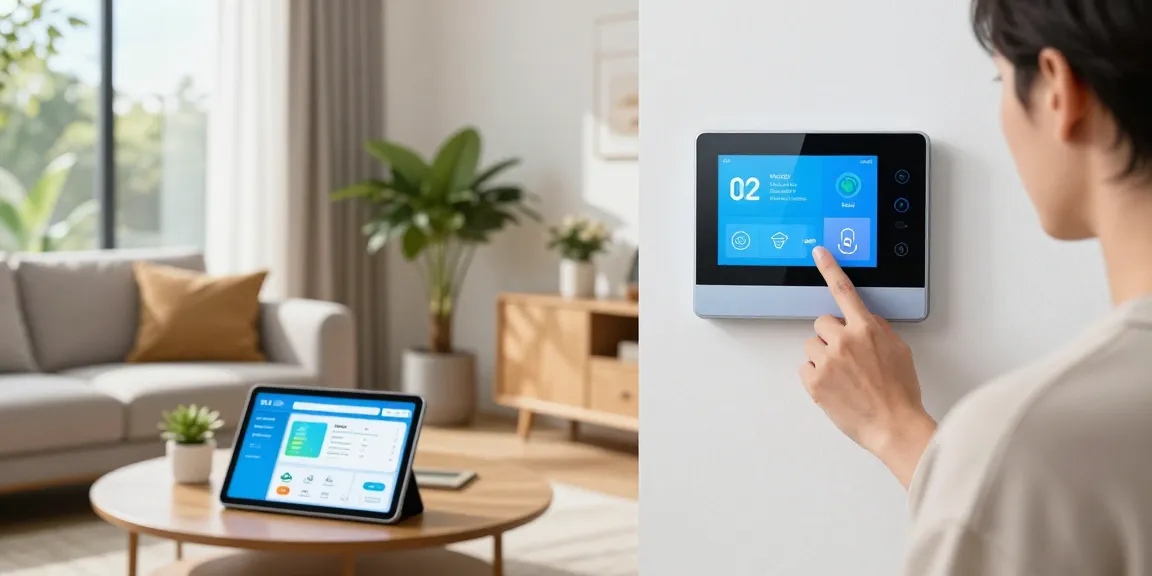
A smart thermostat is a Wi-Fi-enabled device that allows users to remotely manage their home heating and cooling systems. Unlike traditional thermostats, which require manual adjustment, smart thermostats can learn user behaviors, adapt to preferences, and automate temperature settings based on schedules or environmental changes. This technology is integral for homeowners seeking convenience, control, and energy efficiency.
How Smart Thermostats Improve Energy Efficiency
One of the primary benefits of smart thermostats is their ability to enhance energy efficiency. By learning your daily routines, a smart thermostat can adjust the temperature settings to ensure that energy is not wasted when you are away from home. Features like geofencing, which utilizes your smartphone's location, allow the thermostat to automatically adjust the temperature when you leave or return home. Additionally, smart thermostats can provide detailed reports on energy usage, helping homeowners understand their consumption patterns and make informed decisions.
Common Features of Smart Thermostats
Modern smart thermostats come equipped with various features that enhance user experience and energy savings. Some common features include:
- Learning Capability: The thermostat learns from your habits and preferences to optimize temperature settings automatically.
- Remote Access: Users can control their thermostat through smartphone apps, enabling adjustments from anywhere.
- Energy Reports: Detailed analytics on energy usage help identify patterns and suggest ways to save.
- Integration with Smart Home Systems: Compatibility with voice assistants and other smart devices enhances control.
- Alerts and Notifications: Users receive reminders for maintenance, filter changes, or unusual activities.
Top Smart Thermostat Models for 2026
Best Budget-Friendly Smart Thermostats
For homeowners looking to save money without sacrificing features, budget-friendly smart thermostats are available. Models like the Honeywell Home T5+ and the Ecobee Lite provide essential smart capabilities at a lower price point. These options still offer features like Wi-Fi connectivity, scheduling, and compatibility with smart home systems, making them excellent choices for budget-conscious consumers.
Advanced Features in High-End Smart Thermostats
High-end models like the Ecobee SmartThermostat with Voice Control or the Nest Learning Thermostat offer advanced features such as integrated voice assistants, room sensors, and enhanced learning algorithms. These models can monitor the home’s conditions more precisely and adapt to changes proactively, ensuring optimal comfort and energy savings.
Comparative Analysis of Popular Brands
When considering a smart thermostat, it's essential to compare different brands and their offerings. For instance, the Nest Learning Thermostat is known for its sleek design and intuitive interface, while the Ecobee models are praised for their room sensor technology that allows for more effective heating and cooling management throughout the home. Each brand has unique strengths, so evaluating your specific needs against their features will help you make the best choice.
How to Install a Smart Thermostat: Step-by-Step Guide
Preparation for Installation
Before installing a smart thermostat, ensure that you have the necessary tools such as a screwdriver, pliers, and a level. Review the compatibility of your HVAC system with the smart thermostat model you have chosen, as some systems may require additional components for proper installation.
Wiring Basics for Smart Thermostats
The installation process generally involves removing your old thermostat, carefully noting the wiring connections, and then connecting the new thermostat according to the provided manual. Most smart thermostats come with color-coded wiring to simplify the installation process. It's crucial to follow the instructions closely to avoid damaging your system or the thermostat.
Testing Your Smart Thermostat Post-Installation
After installation, ensure that you test the thermostat to verify proper function. Check that the Wi-Fi connection is stable, and test the heating and cooling systems to confirm they respond correctly to temperature adjustments. This step is critical to guarantee that the thermostat operates efficiently and meets your expectations.
Optimizing Your Smart Thermostat for Maximum Savings
Programming Your Thermostat for Seasonal Changes
To maximize energy savings, program your smart thermostat to adjust temperatures according to seasonal changes. During summer, set higher temperatures when you are away and lower them before you return home. In winter, heat should be programmed similarly. This helps to reduce energy consumption without sacrificing comfort.
Integrating with Smart Home Ecosystems
Integrating your smart thermostat with existing smart home devices can further enhance energy efficiency. For instance, linking it with smart blinds or lights can help maintain optimal temperatures by reducing heat gain during hot days or retaining warmth during cold nights.
Monitoring and Adjusting Energy Usage
Use the data and analytics provided by your smart thermostat to monitor energy usage continuously. Many devices offer insights into daily consumption patterns, highlighting opportunities for further savings. Adjust your settings based on this feedback to continuously improve your home's energy efficiency.
The Future of Smart Thermostats: Trends to Watch
Emerging Technologies in Smart Thermostats
As technology continues to evolve, so do smart thermostats. Emerging technologies like artificial intelligence (AI) and machine learning are enhancing their ability to learn from user behaviors and environmental conditions. This evolution means thermostats in the near future will not only respond to commands but also anticipate needs proactively.
Sustainability and Smart Home Innovations
The push for sustainability is shaping the future of smart thermostats. Innovations geared towards reducing carbon footprints and employing renewable energy sources are becoming common. Future models are expected to integrate with solar panels and other energy efficiency technologies to provide comprehensive smart home solutions.
The Role of AI in Smart Thermostat Evolution
AI is expected to play a significant role in the evolution of smart thermostats, making them even more intuitive and efficient. Future iterations may involve predictive analytics, which can manage heating and cooling based on external weather forecasts and internal occupancy patterns without user input, optimizing comfort and energy savings seamlessly.